
Autumn Mud Kitchen Play

Instructor
kindi.education
Reviews
Course Overview
TITLE : Autumn Mud Kitchen Play
FOCUS AGE : Baby – Toddler – Pre-schooler – Rising Five
SKILL CATEGORY : Outdoor and Nature
Sensory Development : Social Play
SET UP TIME : Under 10 minutes
LEARNING OBJECTIVES
Playing autumn mud kitchen with your child can be a messy and delightful sensory experience that connects them with the changing season. It offers your child a chance to explore nature, engage their senses, and experience messy play in a controlled and creative environment.
WHAT YOU NEED
Space outdoors (garden, park or woods)
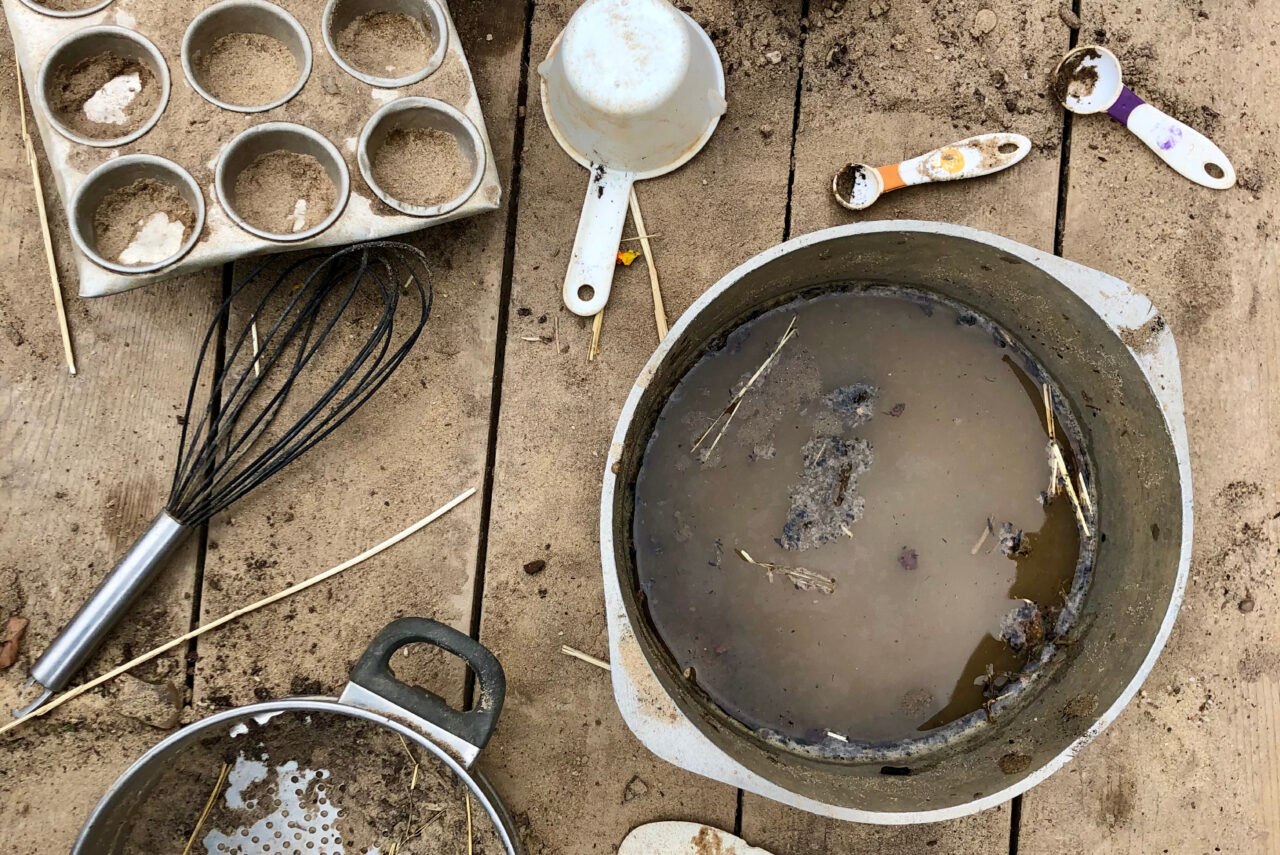
Old pots, pans, bowls, and utensils
Natural materials (leaves, twigs, acorns, pine cones, etc.)
Mud or soil
Water source (bucket of water, water dispenser)
Toy animals or figures for imaginative play (optional)
What You'll Learn?
- MAIN ACTIVITY
- Find a safe and suitable outdoor space where your child can play freely with mud and natural materials. Arrange old pots, pans, bowls, and utensils in an inviting manner. Designate an area for mud mixing and exploration. Gather a variety of autumn-themed natural materials like leaves, twigs, acorns, pinecones, and anything else you can find on our autumn walk adventures. These items will enhance the play experience and allow your child to incorporate elements of the season into their play. Create a mud mixing station by providing a bucket of clean mud or soil and a water source nearby. Show your child how to mix the mud and water to create a muddy consistency. Allow your child to explore the mud with their hands and utensils. They can scoop, pour, mix, and squish the mud, experiencing its texture and sensory qualities. Invite your child to incorporate the natural materials you collected into their mud kitchen play. They can make mud pies with leaves on top, create stick patterns, or use pinecones as ‘ingredients’. If you have toy animals or figures, your child may use them to engage in imaginative play within the mud kitchen. They might create scenarios where the animals are cooking or exploring the natural surroundings. Observe your child as they play, stepping in to provide guidance and support when needed. Assist them in experimenting with different materials and mud consistency. Encourage talk about what they're doing as they play. Ask open-ended questions like, ‘What are you making?’ or ‘How does the mud feel?’ Keep a bucket of clean water and towels nearby for easy clean-up when the playtime is over. Make cleaning any utensils or toys used in the mud kitchen a fun experience for you and your child to do together.
dravya.shs